Organization Of The Department Of Justice
Organization of the Department of Justice
The Department of Justice (DOJ) is the federal government's primary agency responsible for enforcing law and justice across the United States. The DOJ plays an essential role in maintaining public safety, protecting civil rights, and upholding the rule of law. Here's a closer look at the organization of the Department of Justice.
Overview
The DOJ was created in 1870 and is led by the Attorney General of the United States, who is appointed by the President and confirmed by the Senate. The DOJ includes several agencies, offices, and divisions that work together to carry out the Department's mission.
Main Components
The DOJ's main components include the Office of the Attorney General, the Deputy Attorney General, and the Associate Attorney General, who are all political appointees. Other significant components of the DOJ include the Executive Office of the United States Attorneys, which oversees all 94 U.S. Attorneys' Offices, and the Federal Bureau of Investigation (FBI), which is charged with investigating federal crimes and protecting national security.
Divisions
The DOJ also has several divisions that focus on specific areas of law enforcement. These include the Civil Rights Division, which is responsible for enforcing federal laws prohibiting discrimination and protecting civil rights; the Criminal Division, which prosecutes federal crimes and provides support for law enforcement activities; and the National Security Division, which works to prevent terrorism and espionage.
Independent Organizations
Several independent organizations also work with the DOJ, including the Drug Enforcement Administration (DEA), the Bureau of Alcohol, Tobacco, Firearms, and Explosives (ATF), and the U.S. Marshals Service, which provides court security and apprehends fugitives.
Roles and Responsibilities
The DOJ's role and responsibility are to enforce federal laws, protect public safety, and uphold civil rights. It provides legal advice and representation to the President and other federal agencies, as well as states and local law enforcement agencies. The DOJ also ensures that federal funds are used appropriately by providing grants and other funding to state and local agencies.
Conclusion
In conclusion, the Department of Justice plays a critical role in upholding the law, protecting public safety, and promoting justice and equality for all Americans. The DOJ's organization includes several agencies, offices, and divisions that work together to accomplish the Department's goals and responsibilities. The DOJ's leadership and commitment to justice are essential for maintaining the rule of law and ensuring that the United States remains a safe and just society for all.
The Department of justice is organized into separate divisions, each of which handles specific issues. The goal of the departments of Justice is to defend the laws of the country, prevent the carrying out of foreign and domestic threats and punishing and controlling crime in the country. The Department of Justice also seeks to take actions which ensure justice for all Americans.
The Departments of justice has several divisions. There are divisions for example, that handle the most wanted criminals in the country, including wanted posters and an attempt at apprehension. There are also divisions which handle reports of crime. That division will investigate the crime and attempt to apprehend suspects.
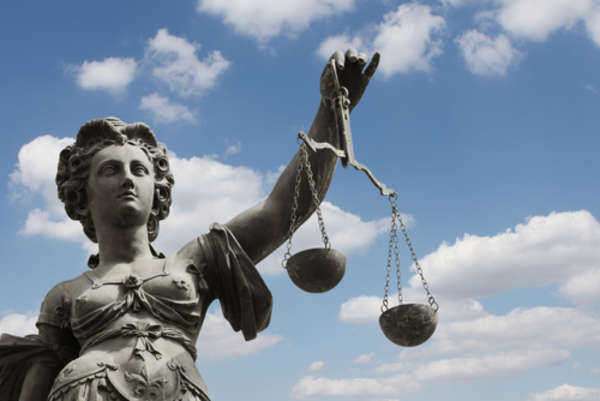
In essence, the Department of Justice is set up to handle every aspect of crimes, including the best manner of getting justice for victims. The Department of Justice will protect Americans from threats, attempt to prevent crimes and investigate crimes that have taken place.